
Favorite Products For Concrete Driveway Resurfacing Projects
Get insights into trusted products that help you achieve a fresh, durable surface on your concrete driveway.
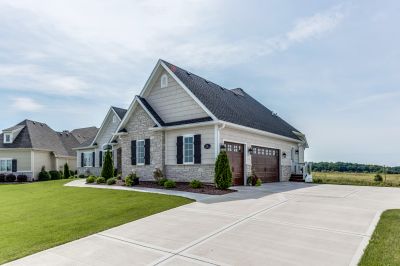 Resurfacing a concrete driveway can be an effective way to enhance its appearance and extend its lifespan without the need for complete replacement. Various products are available to help achieve a smooth, durable, and aesthetically pleasing surface. These products range from overlays and sealers to patching compounds and decorative finishes, each serving specific purposes depending on the condition of the existing concrete and the desired outcome.
Top Overall Option
Polymer-Modified Concrete Overlay
A polymer-modified concrete overlay offers a versatile solution that can adhere well to existing concrete surfaces, providing a seamless and durable finish. It is suitable for filling cracks, leveling uneven areas, and creating a fresh surface with minimal surface preparation. This type of overlay often includes additives that enhance flexibility and adhesion, making it a popular choice for resurfacing projects. Its ease of application and ability to be customized with color and texture options make it a practical choice for many homeowners and professionals alike.
Types of Products For Concrete Driveway Resurfacings
Concrete Resurfacing Skim Coat
A thin layer of cement-based material applied over existing concrete to smooth out imperfections and prepare the surface for finishing.
Polymer-Modified Overlays
Overlay products enhanced with polymers for improved adhesion, flexibility, and durability, suitable for resurfacing and crack repair.
Acrylic Resurfacing Compounds
Acrylic-based coatings that provide a quick-drying, weather-resistant finish with options for decorative textures and colors.
Epoxy Resurfacing Coatings
High-performance epoxy coatings designed for a hard, glossy finish that resists stains and abrasion, often used in commercial settings but adaptable for residential driveways.
Polyurethane Sealers
Sealers that provide a protective layer over resurfaced concrete, enhancing gloss and resisting water and stains.
Stamped Concrete Overlays
Decorative overlays that mimic the appearance of stone, brick, or other patterns, adding aesthetic appeal to resurfaced driveways.
Quartz Aggregate Coatings
Resurfacing products infused with quartz for slip resistance and textured finishes, suitable for high-traffic areas.
Polyaspartic Coatings
Fast-curing, durable coatings that offer UV stability and chemical resistance, ideal for quick turnaround projects.
Liquid Concrete Patch
A versatile patching compound used to fill cracks, holes, and surface imperfections before resurfacing.
Bonding Agents
Primers or bonding agents that improve the adhesion of overlay products to existing concrete surfaces.
Color-Adding Resurfacing Products
Products that include color pigments to customize the appearance of the resurfaced driveway.
Texture Additives
Materials added to overlays to create slip-resistant textures or decorative finishes.
High-Build Coatings
Thicker coatings designed to fill minor surface imperfections and provide a durable finish.
Waterproof Sealers
Sealants that protect the resurfaced concrete from water infiltration and damage.
Decorative Stains
Chemical stains that add color and depth to concrete surfaces, often used in conjunction with overlays.
Popular Choices
A versatile coating that can refresh the appearance of a driveway with a variety of colors and textures.
Quick-drying, weather-resistant coatings suitable for enhancing the look of existing concrete surfaces.
Popular for their durability and glossy finish, epoxy coatings are often used for high-traffic areas.
Decorative overlays that mimic natural stone or brick patterns, adding visual interest.
Sealants that enhance gloss and provide a protective barrier against stains and moisture.
Resurfacing products with quartz for slip resistance and textured finishes, popular in high-traffic areas.
Used for filling cracks and surface imperfections prior to applying overlay products.
Primers that improve adhesion of resurfacing products to existing concrete.
Products that include color pigments for customizing the appearance of the surface.
Materials added to create slip-resistant or decorative textures on the surface.
Protective coatings that help prevent water penetration and damage.
Chemical stains that add vibrant colors and depth to concrete surfaces.
When selecting products for concrete driveway resurfacing, it's important to consider the current state of the driveway, including cracks, surface wear, and discoloration. Proper surface preparation is crucial for ensuring good adhesion and long-lasting results. Many products are designed to be easy to apply, whether by brush, roller, or spray, making DIY projects more feasible. Additionally, the choice of product can influence the final look, from textured finishes to smooth, glossy surfaces.
Durability and weather resistance are key factors to consider, especially in regions with harsh climates. Some resurfacing products include additives that improve slip resistance and crack resistance, helping the surface withstand daily wear and tear. Maintenance requirements also vary; some coatings may need periodic resealing or touch-ups to maintain their appearance and protective qualities. Understanding the different product options and their features can help homeowners and contractors select the most suitable solutions for their specific needs.
Overall, the right combination of products can dramatically improve the look and functionality of a concrete driveway. Whether you're aiming for a simple refresh or a more decorative upgrade, there are numerous options available to achieve a professional-looking finish with proper application and care.
Key Buying Considerations
- Assess the current condition of the driveway, including cracks, surface wear, and discoloration.
- Determine whether surface preparation, such as cleaning and crack repair, is necessary before applying resurfacing products.
- Choose products compatible with the existing concrete surface and intended finish.
- Consider the climate and weather conditions, selecting weather-resistant and durable products suited for your region.
- Evaluate the ease of application—whether DIY-friendly or requiring professional installation.
- Review drying and curing times to plan project timelines accordingly.
- Decide on the desired aesthetic, such as textured, smooth, colored, or stamped finishes.
- Check for slip resistance features, especially in areas prone to moisture or heavy foot traffic.
- Consider the longevity and maintenance requirements of the chosen products.
- Look for products that offer good adhesion to prevent peeling or delamination over time.
- Ensure that the products are suitable for filling cracks and surface imperfections prior to resurfacing.
- Evaluate the environmental conditions, such as exposure to UV rays or chemicals, which can affect product performance.
- Compare product reviews and ratings to gauge user satisfaction and performance reliability.
- Verify if the products require special tools or equipment for application.
- Determine the overall budget, including materials and potential professional labor costs.